3 min read
Unlocking Africa's Green Future: Climate Finance & Carbon Credits
Africa
Business
Africa continues to cement its role on the global stage in tackling climate change. Africa is immense in its renewable energy of wind, solar, and hydro power. As the world grapples with high carbon emissions, Africa can significantly influence the transitions of countries to economies of low carbon emissions. However, the efforts that Africa has made in mitigating climate change have not been taken much into consideration. Whereas Africa emits the lowest carbon emissions compared to other continents, it still faces challenges of prolonged droughts, rising ocean levels, and floods.
The Impact of Climate Change on Africa
The Impact of Climate Change on Africa
- 2020–2023, the Horn of Africa was hit by one of the worst droughts in 40 years.
- 2015–2016, Southern Africa region was hit by drought which hit millions across Malawi, Zimbabwe, and Mozambique.
- 1970–1980, the Sahel region that includes Chad, Mali and Niger was greatly hit by drought.
- 2023, the East Africa Region was hit by floods which occurred after the prolonged drought experienced in 2020–2023.
- 2019, the Southern African region was hit by cyclone Dai resulting in devastating floods.
- 2012, West Africa was faced with the worst floods in history that affected millions of people in Chad, Niger and Nigeria.
These are just some of the heavy impacts Africa has experienced in recent times due to climate change. As a result, it has necessitated the African countries to be on the forefront of calling the shots for low carbon emissions.
Africa’s Push for Climate Financing
Africa has called out the need for more investments in climate financing. In 2022, climate financing surged despite the post-effects of COVID-19. Private sector investments in renewable energy, social awareness of climate action, and international support from different climate organizations have been key accelerators for climate financing in Africa. In 2022, the African continent bagged climate finance worth $43.7 billion an upward trajectory from the previous years. In 2022, Africa’s climate financing surpassed the 50 billion USD mark.
Progress and Challenges in Climate Finance
Despite the improvements in Africa's climate financing, more efforts are needed. To meet the 2030 Paris Agreement, it's projected that Africa will have to invest $2.8 trillion to meet the requirements of the reduction in global warming to below 2 degrees Celsius.
Key Climate Targets for Africa by 2030
Other key targets by 2030 are adaptations to drought resistant agriculture, more focus on renewable energy and climate financing and Nationally Determined Contributions (NDCs). To achieve these targets more climate action is not only needed in Africa but also globally.
The Importance of Grassroots Climate Action and Private Sector Involvement
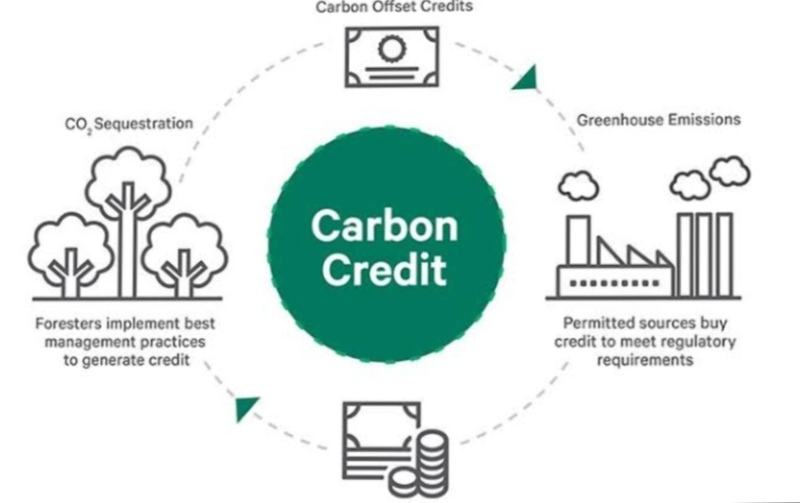
More grassroot climate action is needed and financing small businesses in taking part in climate action. This can be achieved by making international markets accessible by small businesses. Governments need to enhance more carbon credits as a way of reducing carbon emissions by the big manufacturing companies. The private sector is a force that can play a huge role in Africa's climate action due to its strategic prowess in renewable energy making renewable energy cost effective and accessible to all.
The Role of the African Development Bank in Climate Financing
The African Development Bank (ADB) has also been a key contributor in Africa's climate financing. The ADB has established Africa Climate Investment Fund and the Climate Technology Facility.
The Way Forward: Collective Action for a Sustainable Future
Africa's climate financing continues to increase. However, all players are needed on deck. Governments, the international community, private sector, financial institutions and the public will have to work cohesively to achieve low carbon emissions and mitigate further disruptions and disasters due to climate change. Doing so would cut carbon emissions, a realization of sustainable agriculture and growth of African economies.

Senior Editor: Kenneth Njoroge
Business & Financial Expert | MBA | Bsc. Commerce | CPA
Author Name
Author intro
Author bio goes here.